
<スペシャルインタビュー> 戦後80年、映画『遠い山なみの光』(2025.9.5公開)原作者カズオ・イシグロが語る戦争、そして故郷・長崎…
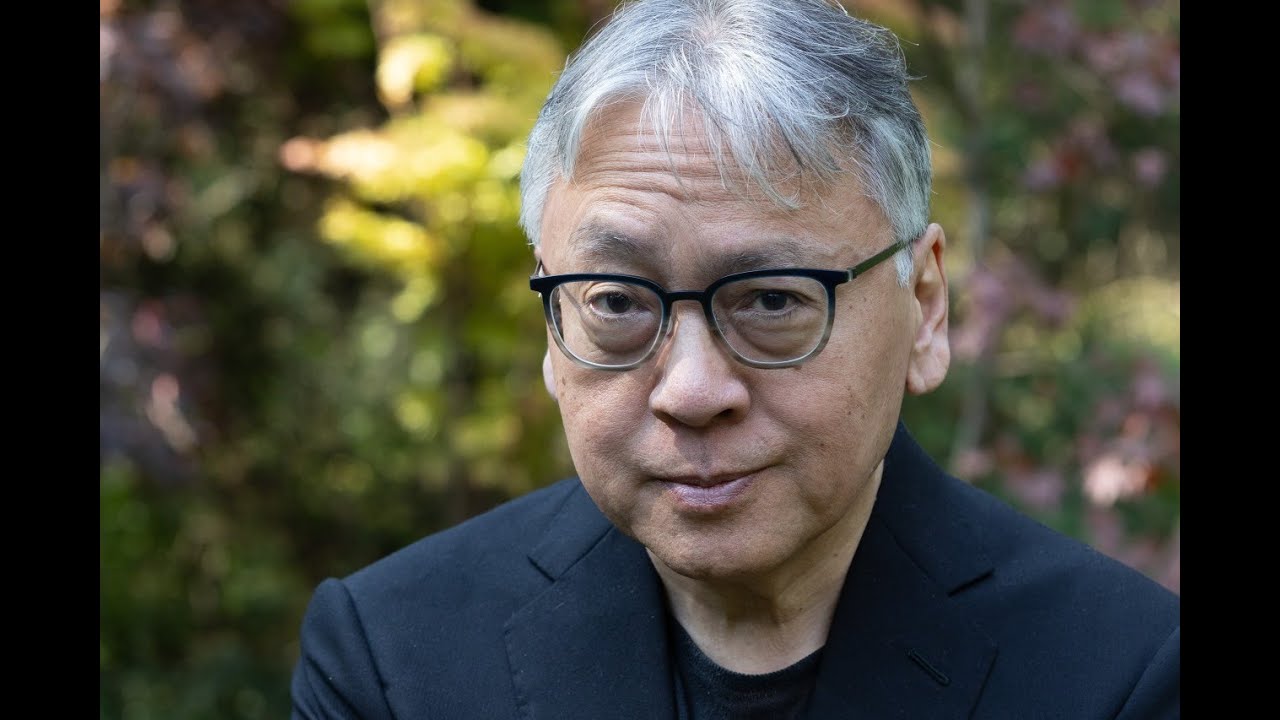
Well, I think it’s an appropriate it’s a very appropriate time uh for it to be released because um you know it’s it’s a time when it’s not just for Japan of course it’s for the whole world you know it’s an anniversary um we we’re need to be reminded that there was this time when um the world was in turmoil um and certainly for the for the younger generation um particularly you know perhaps people who’ve grown up in you know who are born in Japan many years after the end of the war. Um, and Japan has been not just a very prosperous country, it’s been a very stable country. you know, it’s been one it’s been one of the great liberal democracies and uh it probably hasn’t gone through a lot of the uncertainties that that some countries in the west has gone through through um and I think it’s it’s it’s a timely reminder that this is not something you can take for granted that you know just a few generations ago um Japan went through a very dark period and then um went through an awful second world war. Um uh and so I think I think that’s a timely reminder and and I think it’s important that we each generation keeps reminding themselves that we’re very lucky and but we have to always fight and and battle to keep this peace and this democracy. Um having said that I you know I would hope that this movie um w will be a film that is that will survive long after this this anniversary. You know it’s I think um just as my my my book has somehow survived for for 42 years and and it’s remained in print all of that time. I would hope that Ishikawasan’s film would also last for decades after the anniversary. You know, I think it’s a film that I’m hoping it’ll be a film that will um be quite universal and timeless because it’s it’s about um because in the end it’s about how people recover from from the worst things. Yeah. Now for many people in in the in Britain when I was growing up, soon as I said I was from Nagasaki, they just thought of one thing. They thought of the atomic bomb and they thought of Nagasaki as this place of death and devastation. And this was quite strange for me because of course for me Nagasaki was a place was indeed a place of hope and optimism. The atmosphere in Nagasaki was it was that time when people were growing growing confident and there was this sense of wonder and amazement about every every month there’ll be some sort of new piece of electronics that that appeared that nobody had seen before or um there was a new building built or something. So there was this real sense of um things getting better and the economy getting better and everybody was optimistic and of course Nagasaki itself is is a very beautiful city. Um it’s it’s there’s a lot of sea and and mountains often you can see these two things together. And so even the visual images I have of Nagasaki is is of sun and sea and open sky and mountains and trees. I mean the atmosphere is is one of regeneration and moving forward. So it’s completely different to this image that British people had of this devastated place. And I didn’t really think about the atomic bomb until I was much older, you know, and living in England. Um, for me, Nagasaki was this uh this place where people were looking forward to the future and of course a lot of the industry was picking up their Mitsubishi uh on in the shipyards and everything was regenerating and our family itself was was one that you know my father was wanting wanting to come to Britain and to he went to the United States to uh to further his own scientific research. So it was a time of um looking outward and Nagasaki has always had this tradition of being a gateway to the international world. I mean this goes back to ancient times. Um and so um I think of Nagasaki like that. It’s a it’s a it’s a it’s a doorway to to the outer world. Um, and it was also for me personally, it’s a place that ushered in this this modern era of modern Japan and and the modern world. I hope you’ll go and see this movie um by uh Mr. K Ishikawa. Um, he was, although he was a tiny boy when I first published this novel, he’s decided to to to create a beautiful film uh for for the Japanese generation today. And he believes that this story will speak to to the current generation. And I think it will, too. And I I hope you would enjoy it.
1989年にイギリス最高の文学賞であるブッカー賞、そして2017年にノーベル文学賞を受賞した世界的小説家カズオ・イシグロの同名長編デビュー作を、『ある男』『愚行録』の名匠・石川慶監督が実写映画化した『遠い山なみの光』、が9月5日(金)より劇場公開される。これに先駆け、原作者のイシグロが、撮影地撮影地イギリスで本作と戦争、自身が育った長崎について語った。
ある女が語り始めたひと夏の記憶、その物語には心揺さぶる〈嘘〉が隠されていた…。本作は、1950 年代戦後復興期の長崎と 1980 年代イギリスを生きる 3 人の女たちの知られざる真実を描きながら、戦後80年の今を見つめる感動のヒューマンミステリー。このプロジェクトに魅せられ、『キャロル』などで知られるイギリスのプロダクションNumber 9 Filmsと、『ガール・ウィズ・ニードル』で第97回アカデミー賞®️国際長編映画賞にノミネートされたポーランドのLava Filmsが製作に加わり、3カ国合作となった本作は、第78回カンヌ映画祭のある視点部門に選出され、約5分のスタンディングオベーションの中、喝采を浴びた。
日本人の母とイギリス人の父を持ち、大学を中退して作家を目指すニキ。彼女は、戦後長崎から渡英してきた母・悦子の半生を綴りたいと考える。娘に乞われ、口を閉ざしてきた過去の記憶を語り始める悦子。それは30年前、戦後復興期の活気溢れる長崎で出会った、佐知子という女性とその幼い娘と過ごしたひと夏の思い出だった。初めて聞く母の話に心揺さぶられるニキ。ただ、何かがおかしい。彼女は悦子の語る物語に秘められた<嘘>に気付き始め、やがて思いがけない真実にたどり着く…。長崎時代の悦子を広瀬すず、佐知子を二階堂ふみ、イギリス時代の悦子を吉田羊がそれぞれ熱演。ニキにはオーディションで選ばれたカミラ・アイコ、さらに長崎時代の悦子の夫に松下洸平、その父親に三浦友和が顔を揃え、脇を固める。
原作:カズオ・イシグロ/小野寺健訳「遠い山なみの光」(ハヤカワ文庫)/監督・脚本・編集:石川慶/出演:広瀬すず 二階堂ふみ 吉田羊 カミラ・アイコ 柴田理恵 渡辺大知 鈴木碧桜 松下洸平 / 三浦友和 製作幹事:U-NEXT/制作プロダクション:分福/ザフール 共同制作:Number 9 Films、Lava Films/配給:ギャガ/助成:JLOX+ 文化庁 PFI 上映時間123分 ©2025 A Pale View of Hills Film Partners
映画『遠い山なみの光』は9月5日(金)よりTOHOシネマズ 日比谷ほか全国公開#遠い山なみの光